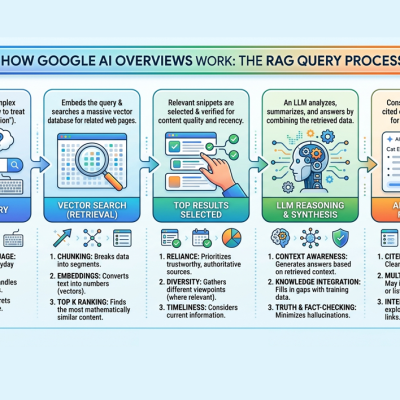

Optimizing your SEO for the era of Google’s conversational AI With Google’s announcement of AI Mode at Google I/O 2025 (May 21), the search landscape is evolving toward a conversational experience driven by advanced language models. While this feature is currently experimental and limited to the United States, it foreshadows its future impact on traditional SEO practices. Clicks on classic results are already declining with AI Overviews, prompting a reinvention of content strategies to appear in AI-generated responses. This article offers five key strategies to anticipate and optimize your SEO in this new environment. 1. Strengthen your editorial and technical authority 1.1. Publish expert and citable content AI Mode and AI Overviews prioritize sources considered reliable and demonstrating recognized expertise. To strengthen your credibility, collaborate with industry experts, include citations from academic or professional publications, and regularly update your articles with fresh data. 1.2. Optimize user experience and performance Google continues to prioritize web performance as a major ranking factor, particularly through Core Web Vitals. Ensure your site offers fast loading times, visual stability, and smooth interactivity to maintain a good ranking. 2. Adapt your content structure for AI 2.1. Format for understanding the models Google’s templates are based on the hierarchical structure of pages. Use clear headings (H1–H3), bulleted lists, and short paragraphs to make it easier to extract information. 2.2. Integrate enhanced “Featured Snippets” Prioritize question/answer formats and concise introductory paragraphs (40–50 words) that are likely to be featured in AI Overviews. Schema.org markup (FAQPage, HowTo) also improves your chances of appearing in position zero. 3. Create content optimized for concise answers 3.1. Prioritize clarity and precision The generated answers synthesize multiple sources. Be sure to provide clear definitions and detailed explanations, accompanied by statistics or studies to support your claims. 3.2. Highlight structured data AI-powered automatic citations include source references. Implement structured data ( schema.org ) to promote transparency and trustworthiness of your content. 4. Measure and optimize your AI-specific performance 4.1. Monitor existing indicators While we wait for metrics specifically for AI features, keep a close eye on : • Visibility in AI Overviews (when available) • The evolution of the overall CTR • Impressions and rankings for conversational queries • Featured Snippets performance 4.2. Test and adjust your formats Run A/B tests on the structures of your introductions, lists, and sidebars to identify the formats most frequently used by AI. Apply the findings to all your content to maximize your visibility. 5. Conduct proactive monitoring and anticipate developments 5.1. Monitor Google ads and industry studies The algorithm and AI features are evolving rapidly. Subscribe to official blogs (Google AI, Search Central) and specialized newsletters (Search Engine Land, Search Engine Journal) to stay informed. 5.2. Collaborate with the SEO community Participate in forums (WebmasterWorld, Moz Community) and conferences (SMX, Brighton SEO) to exchange best practices and feedback on optimization for AI responses. The gradual arrival of AI Mode and the expansion of AI Overviews mark a new era where SEO is measured as much by the quality of generated answers as by traditional SERP position. By strengthening your authority, adapting the structure and format of your content, optimizing for concise answers, monitoring available performance, and maintaining proactive vigilance, you will maximize your chances of maintaining and increasing your visibility in AI-driven results.